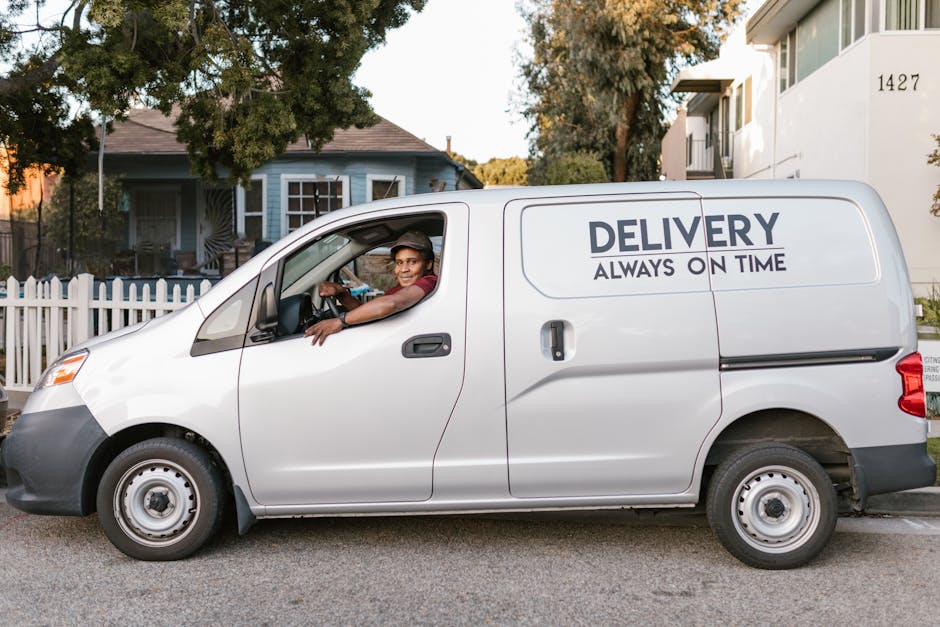
Short move guide Holloway Road Islington man with van options
If you are planning a short move around Holloway Road in Islington, the practical question is rarely "how do I move everything?" It is usually "what is the easiest, safest, and least disruptive way to move a few rooms, a flat, or bulky items without turning the day into a headache?" That is exactly where Short move guide Holloway Road Islington man with van options comes in. For local moves, student relocations, flat shifts, sofa runs, or small office clear-outs, a man and van service can be a very sensible fit.
This guide walks you through how local moving options work, what to look for, how to compare services, and how to avoid the little mistakes that waste time and money. It also covers loading, access, parking, disposal, and the kind of support that makes a short move on Holloway Road feel much more manageable. Truth be told, the difference between a smooth move and a messy one is often the planning you do before the van arrives.
Expert summary: For short-distance moves in Holloway Road and the wider Islington area, the best man with van option is usually the one that matches your load size, access conditions, timing needs, and any disposal or recycling requirements. Simple on the surface. Not always simple in practice.
Table of Contents
- Why Short move guide Holloway Road Islington man with van options Matters
- How Short move guide Holloway Road Islington man with van options Works
- Key Benefits and Practical Advantages
- Who This Is For and When It Makes Sense
- Step-by-Step Guidance
- Expert Tips for Better Results
- Common Mistakes to Avoid
- Tools, Resources and Recommendations
- Law, Compliance, Standards, or Best Practice
- Options, Methods, or Comparison Table
- Case Study or Real-World Example
- Practical Checklist
- Conclusion
- Frequently Asked Questions
Why Short move guide Holloway Road Islington man with van options Matters
Holloway Road is busy, lived-in, and very much part of everyday London life. That matters because short moves in this part of Islington are often shaped by access rather than distance. You might be moving only a couple of streets away, but if you have narrow stairwells, controlled parking, limited loading space, or awkward timing, the move can feel much bigger than it looks on paper.
A man with van service is often the right middle ground between doing it yourself and booking a full removal team. It is flexible, usually quicker to arrange, and often more cost-effective for smaller loads. For a one-bed flat move, a few heavy items, or a short transfer between addresses, that balance can be ideal.
It also helps with the practical stuff people underestimate. A heavy wardrobe is one thing. Getting it through a tight hallway, downstairs without damage, then out past parked cars and morning traffic is another. That is the bit people remember afterwards, usually with a long sigh and a cup of tea.
Short move planning is especially useful if you are dealing with one or more of these:
- a studio or one-bedroom move
- student or tenant relocation
- bulky furniture only, not a full house
- same-day or next-day timing
- items that also need disposal or recycling
- moving around parking restrictions or busy road access
The real value is not just transport. It is reducing friction.
How Short move guide Holloway Road Islington man with van options Works
At its simplest, a man with van service combines vehicle space with loading help. You hire the van, the driver, and often one or more extra hands depending on the job. For a short move, that means someone can help carry, load, secure, and unload the items so the move is completed efficiently rather than in a dozen exhausting trips.
The process usually starts with a quote request. You share details such as the collection and delivery addresses, the number of items, floor levels, access issues, and whether anything needs dismantling. If the move is straightforward, a provider can often give a clearer estimate quickly. If it is more complex, you may be asked for photos or a more detailed inventory.
On the day, the van arrives, items are assessed, and the route is planned around access, parking, and loading. Good operators will usually think ahead about how to protect corners, how to stack fragile items, and how to keep the load secure during transit. That last part sounds boring until you hear a lamp knocking against a fridge door. Then suddenly it is very interesting indeed.
For a short local move, timing is often tighter than distance. A trip from Holloway Road to nearby parts of Islington may be quick on the road, but it can still be slowed by stairs, lift delays, traffic, or waiting for keys. That is why a clear booking process matters.
If you want to compare costs and service structure before booking, the pricing and quotes page is a useful place to start. If you are ready to arrange the move, you can also book online once you know your date and load type.
Key Benefits and Practical Advantages
A well-matched man with van option can make a short move surprisingly straightforward. It is not about paying for more than you need. It is about choosing a service that fits the job.
Here are the main advantages:
- Better value for small loads: You do not need to book a large removal vehicle for a few items.
- Flexibility: Short-notice moves and odd-time bookings are often easier to accommodate.
- Hands-on help: Loading and unloading support reduces strain and saves time.
- Local knowledge: A team familiar with Islington roads, parking, and access can be a real advantage.
- Less disruption: A short move can often be completed in one clean run rather than dragging through the day.
- Optional extra handling: Some jobs involve furniture protection, appliance removal, or disposal support.
There is also a practical psychological benefit. When the move is small, people often leave it too late because it feels manageable. Then the old sofa is still there, the boxes are still half-packed, and everyone is trying to find the kettle. A good van option gives the move a clear shape and deadline.
For bulky furniture, especially sofas or mattresses, it can be helpful to check dedicated support such as mattress and sofa disposal if you need to remove items rather than relocate them.
Who This Is For and When It Makes Sense
This type of service is not only for big life events. In fact, many of the most sensible uses are modest, routine, and easy to overlook.
You are probably a good fit if you are:
- moving from a flat share to a nearby rental
- shifting a small number of bulky items after a room refresh
- helping a family member move locally
- replacing furniture and removing the old set at the same time
- moving office chairs, desks, or boxed equipment between nearby locations
- clearing storage or a spare room without hiring a full removal company
It also makes sense if you are trying to avoid multiple car trips. Let's face it, one trip in a van is usually easier than four drives in a hatchback with a rear seat full of boxes and that one drawer that never quite shuts properly.
On Holloway Road, short moves often involve a mix of residential blocks, side streets, and narrow access points. So if you are juggling stairs, time windows, or furniture that refuses to fit around a landing turn, a van with help can save you a lot of trial and error.
If your move involves appliances, the specialist fridge and appliance removal service can be more appropriate than treating them as ordinary items. Fridges, freezers, and washing machines are heavy, awkward, and often need special handling.
Step-by-Step Guidance
Here is the clearest way to approach a short move around Holloway Road without overcomplicating it.
- List everything that is moving. Be honest. Include furniture, bags, boxes, fragile items, and anything awkward in shape.
- Separate keep, move, recycle, and dispose. This is the moment where you decide what is actually worth taking.
- Check access at both ends. Note stairs, lifts, parking, loading space, and whether the van can stop nearby safely.
- Measure the awkward items. Doors, hallways, and stair corners matter more than people expect.
- Request a clear quote. Ask what is included: labour, waiting time, travel, fuel, and any additional handling.
- Pack smartly. Use small boxes for books and heavier items, larger boxes for lighter goods, and label anything fragile.
- Prepare the property. Clear walkways, protect floors if needed, and keep a direct path open to the door.
- Confirm timing. If keys are not ready, tell the provider early. Waiting can change the whole day.
- Load in a sensible order. Heavy and sturdy items first, fragile and easy-to-damage items last, unless your team advises otherwise.
- Do a final sweep. Check cupboards, behind doors, under beds, and in the utility corner. People forget things. Every time.
Practical note: If you need to remove waste, furniture, or mixed items as part of the move, it is worth reviewing what can be accepted. The page on what can go in a skip is useful background even if you are not using a skip, because it helps you think about what is suitable for disposal and what needs separate handling.
If you have confidential papers or old records mixed into the move, a dedicated confidential shredding service can prevent clutter from travelling to the new place. That is one of those small decisions that makes unpacking feel less chaotic later.
Expert Tips for Better Results
A short move is usually won or lost in the preparation. A few smart choices can reduce cost, speed things up, and prevent damage.
1. Measure the awkward items before moving day
Big wardrobes, bed frames, mattresses, and white goods often cause more trouble than the number of boxes. Measure width, height, and depth, then think about turning space on stairs and corners. Sometimes dismantling one piece saves thirty minutes of wrestling. Good trade.
2. Group items by room and priority
Pack by destination room rather than by what fits in the box. It sounds obvious, but on the day it helps a lot. You will be able to unload into the right place rather than building a mystery pile in the hallway.
3. Keep one essentials bag with you
Put in keys, phone chargers, medication, snacks, paperwork, tea bags, toilet roll, and the one tool you always need at the worst possible moment. People laugh about this until they are standing in an empty flat at 8:40 in the evening looking for scissors.
4. Be honest about access
If there is a tight stairwell, a shared entrance, or no direct parking, say so. It is much better to plan for difficult access than to improvise with a sofa halfway through the doorway. That bit gets tense, fast.
5. Think about sustainability as part of the move
Short moves often create a surprising amount of waste: bubble wrap, duplicate furniture, packaging, and items you no longer need. Choosing reuse and recycling where possible is simply cleaner and more sensible. If that matters to you, have a look at recycling and sustainability for the wider approach.
If you are dealing with electricals, fridges, mattresses, or furniture, check whether a specialist route is better. The cleaner the plan, the less you pay in stress later.
Common Mistakes to Avoid
Most moving problems are not dramatic. They are small decisions that stack up. Annoying, really.
- Booking without enough detail: A vague description of "a few bits" is not very helpful when there is a wardrobe, two desks, a bike, and six boxes of books involved.
- Underestimating access problems: Tight stairs, loading restrictions, and no lift can change the plan quickly.
- Leaving packing until the last minute: It adds risk, delays loading, and usually makes fragile items harder to protect.
- Mixing keep and dispose items: That leads to confusion and, sometimes, unwanted items being moved to the new place.
- Ignoring item-specific handling needs: Fridges, mattresses, and sofas may need separate removal or disposal arrangements.
- Not checking terms and conditions: Timing, waiting periods, and cancellation rules matter more than people think.
One of the most common mistakes, honestly, is assuming the short distance means no planning is needed. But a five-minute drive can still become a long morning if the furniture is not ready. Short route. Long day.
For service expectations, it is sensible to read the terms and conditions and the insurance and safety information before you commit. Not glamorous reading, no. Still useful.
Tools, Resources and Recommendations
You do not need a complicated toolkit for a short move, but a few practical items make life easier. This is the difference between "fine" and "why did we do it this way?"
- Strong boxes: Especially for books, kitchenware, and office files.
- Marker pens and labels: Keep them obvious and legible.
- Furniture blankets or wraps: Useful for protecting surfaces and corners.
- Tape and scissors: Keep one set in your essentials bag so it is not lost in a box of cables.
- Basic tools: Allen keys, screwdriver, and any fittings for beds or flat-pack furniture.
- Cleaning cloths: Handy for a quick wipe before items go into the van or into the new room.
Useful service pages on the same site can help you refine the plan. If you are weighing up costs, pricing and quotes is the obvious starting point. If you want to understand the business and team behind the service, the about us page gives useful context. And if anything feels unclear, the contact us page is the simplest way to ask before booking.
Payments matter too, especially if you are booking in a rush or arranging work on behalf of someone else. The payment and security page helps set expectations on how that side is handled.
Law, Compliance, Standards, or Best Practice
For a local short move, the main compliance concerns are usually practical rather than dramatic. You are typically looking at safe lifting, sensible loading, proper handling of waste, and respectful use of the street outside the property. In London, access and parking can be a real issue, so best practice is to plan around that early rather than improvising at the kerb.
If your move includes disposal, there is an important distinction between ordinary household items and waste that needs special treatment. Items such as fridges, mattresses, sofas, confidential paperwork, and hazardous materials can involve separate handling routes. That is less about making life awkward and more about keeping everyone safe and disposing of items responsibly.
Health and safety also matters on moving day itself. Heavy lifting, awkward carrying routes, wet pavements, and tight stairs are all normal risks. A sensible provider will work in line with a clear safety approach, and you can review the site's health and safety policy if you want to understand the general framework.
If you are disposing of substances, sharp waste, or other higher-risk materials, do not assume they can be bundled in with the rest. The safer choice is to check the dedicated hazardous waste disposal guidance first. It is one of those areas where being careful up front saves a lot of trouble.
There is also a broader responsibility angle. Responsible providers should think about ethical sourcing, safe work practices, and proper environmental handling. Those things are not marketing fluff; they are the foundation of a service people can trust.
Options, Methods, or Comparison Table
For a short move around Holloway Road, the best choice depends on how much you are moving, how much help you need, and whether disposal is part of the job. Here is a simple comparison.
| Option | Best for | Main advantages | Watch-outs |
|---|---|---|---|
| DIY car move | Very small loads, a few boxes | Low cost, full control | Multiple trips, heavy lifting, poor fit for bulky items |
| Man with van | Short local moves, mixed items, stairs | Flexible, efficient, loading help included | Needs clear brief, access planning, and accurate item list |
| Full removals team | Larger home moves or higher-value loads | More hands, fuller service, stronger fit for complex moves | Usually more expensive than needed for short, small moves |
| Move plus disposal service | Decluttering, replacing furniture, mixed transport and waste | Cleaner result, less clutter, one coordinated job | Must separate keep items from waste clearly |
If you are moving only a few items, a man with van service is often the sweet spot. If you are moving a larger flat, heavy furniture, or a lot of boxed contents, the choice may lean towards a fuller removal setup. The right answer is the one that fits the day, not the one that sounds grander.
Case Study or Real-World Example
Here is a realistic example from the sort of job people in Islington book all the time.
A tenant on Holloway Road needed to move from a third-floor flat to a nearby street in Islington. The move itself was short, but there was a narrow staircase, limited parking, one mattress, a sofa, a desk, and about a dozen boxes. There was also an old chest of drawers that the tenant did not want to take. Not a huge move. But awkward enough.
The key decision was to separate the job into three parts: items to keep, items to move, and items to dispose of. That simple split reduced confusion on the day. The sofa and mattress were handled separately through the relevant disposal route, while the rest of the items were loaded in a way that protected the desk and kept boxes stable. The move finished without repeated back-and-forth trips, and the new flat was usable much sooner.
The interesting bit is what did not happen. There was no panic repacking at the kerb. No guessing about whether a bulky item should go in the van. No last-minute search for a screwdriver because the bed frame was still partly assembled. Little details, but they matter.
If you are organising a similar move, the lesson is simple: clarity saves time. And time, in a short local move, is usually the thing you notice first.
Practical Checklist
Use this checklist the day before or morning of your move. It keeps everything from drifting into chaos.
- Confirm collection and delivery addresses
- Check the booking time and any arrival window
- List all items to be moved
- Mark items for disposal separately
- Measure large furniture and appliances
- Clear hallways, stairways, and entry points
- Set aside keys, documents, chargers, and essentials
- Keep fragile items packed and labelled
- Make sure parking or loading access is understood
- Read the relevant service details, including insurance and safety and terms and conditions
- Check whether any special items need separate handling
- Have a quick cleanup plan for the old place
Small but useful: Take a photo of any fragile furniture or valuable items before the move. It is a simple habit, and it can be reassuring if you need to check the condition afterwards.
Get a free quote today and see how much you can save.
Conclusion
A short move on Holloway Road does not need to become a complicated project. With the right man with van option, the job can be quick, efficient, and surprisingly calm. The real work is in matching the service to the load, planning for access, and deciding early what is moving and what is being left behind.
If you keep the focus on practical details - item sizes, parking, timing, disposal, and safety - you will usually avoid the problems that trip people up. That is the heart of a good short move guide. Not fancy. Just useful.
And once the last box is in the right room and the kettle is back on, it all feels a lot more manageable than it did the night before. One step at a time. That is usually enough.
Frequently Asked Questions
What is the best man with van option for a short move on Holloway Road?
The best option is usually the one that matches your load size, access conditions, and timing. For a small flat move or a few bulky items, a man with van service is often the most practical and cost-effective choice.
How far in advance should I book a short move in Islington?
As early as you can, especially if your move is tied to a key handover or a weekend slot. Short-notice bookings can work, but early planning gives you better flexibility.
Can a man with van service help with stairs and heavy furniture?
Yes, that is one of the main reasons people use the service. Always be clear about stairs, lift access, and bulky items so the team can plan properly.
Is a man with van cheaper than a full removals team?
For smaller moves, it often is. A full removals team may be better for larger or more complex jobs, but for a short local move it can be more than you need.
What should I do with items I do not want to take?
Separate them early and arrange disposal or recycling rather than mixing them with your moving load. If the item is a sofa or mattress, use the relevant disposal route rather than guessing.
Can I move appliances like fridges and washing machines?
Yes, but they usually need special handling because they are heavy, awkward, and easy to damage. The dedicated fridge and appliance removal service is the safer approach for those items.
What if I only have a few boxes and one large item?
That is still a good fit for a man with van service. In fact, mixed loads like that are very common. You do not need a big move to make professional help worthwhile.
How do I make sure my quote is accurate?
Give a full list of items, include access details, and mention anything unusual such as stairs, parking issues, or dismantling needs. The more accurate your brief, the better the quote will be.
Do I need to prepare the furniture before collection?
It helps a lot. Disassemble what you safely can, remove loose contents, and keep drawers or doors secured. Good prep makes loading faster and safer.
What if I need to move and clear out clutter at the same time?
That is a common scenario. It can be sensible to combine the move with recycling or disposal support so the new place starts cleaner. If you are interested in the environmental side, the page on recycling and sustainability is worth a look.
Are payments and booking details handled securely?
They should be. It is always sensible to review the service's payment information before booking, and the payment and security page explains the approach in plain language.
What should I ask before I confirm the booking?
Ask what is included, whether loading help is provided, how waiting time works, and what happens if access changes on the day. A few clear questions up front can prevent most moving-day problems.
Where can I check the company background or policies?
The about us page is a good place to start, and the policy pages such as health and safety policy and insurance and safety add another layer of reassurance.