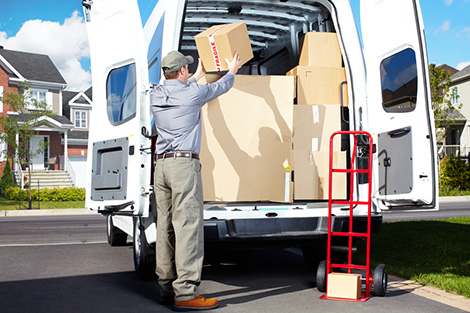
Fridge and Appliance Removal: Sustainable, Safe, and Cost-Effective Solutions
Removing old refrigerators and large household appliances is a common home-improvement and relocation task that requires more than simply putting unwanted items on the curb. Fridge and appliance removal touches on safety, environmental responsibility, local regulations, and cost considerations. This article explains the key aspects of responsible appliance disposal, recycling opportunities, and how to evaluate removal services for a smooth, compliant experience.
Why Proper Appliance Removal Matters
Large appliances such as refrigerators, freezers, washers, dryers, and ovens contain materials and components that can be hazardous if mishandled. Refrigerants, oils, electronic parts, and heavy metals may pose environmental or health risks when appliances are left to deteriorate in landfills. Addressing removal correctly helps reduce pollution, conserve resources, and avoid potential fines for illegal dumping.
Environmental Impact
Modern appliances include refrigerants like HFCs or older ozone-depleting substances. When released, these chemicals contribute to greenhouse gas emissions and atmospheric harm. Moreover, many appliances contain reusable metals, plastics, and glass. Recycling these valuable materials saves energy and reduces the need for virgin resources, which supports a circular economy and reduces long-term environmental footprints.
Public Health and Safety
Appliances are bulky and heavy; improper handling can lead to injuries or property damage. Additionally, components such as compressors, capacitors, and wiring can present electrical hazards if not properly deactivated. Engaging trained personnel or certified recycling centers minimizes these risks.
Regulations and Compliance
Local and national laws often regulate how appliances must be disposed of. Regulations can include requirements for refrigerant recovery, certification for technicians who service refrigeration systems, and restrictions on landfill disposal. Ignoring these rules can lead to fines and environmental liability.
- Refrigerant handling: Certified extraction is commonly required before a fridge can be scrapped.
- Electronic waste laws: Some regions treat appliances with electronic components as e-waste, mandating special processing.
- Transport and disposal permits: Commercial removers may need permits for hauling bulky waste.
Recycling and Disposal Options
There are several legitimate avenues for disposing of old appliances. Selecting the right option depends on appliance condition, local services, and environmental priorities.
Donation and Reuse
If an appliance is still functional, donation is an excellent choice. Charities, community centers, and certain social programs accept working appliances to benefit families in need. Donating extends the useful life of the appliance and keeps it out of the waste stream.
Manufacturer Take-Back and Retailer Programs
Some manufacturers and retailers offer take-back or trade-in programs when you buy a new appliance. These programs often include responsible recycling or refurbishing and may provide incentives like discounts on new purchases.
Certified Recycling Facilities
Facilities that specialize in appliance recycling perform refrigerant recovery, dismantle units for parts, and sort materials for metal and plastic recovery. Choosing certified recyclers ensures that hazardous materials are handled correctly.
Choosing a Removal Service
Selecting a reputable removal service is crucial for safety, compliance, and value. Look for operators who demonstrate environmental responsibility and transparency about their processes.
- Licensing and insurance: Confirm the company is licensed to handle bulky items and has insurance to cover potential damages.
- Refrigerant certification: For fridges and freezers, ensure technicians are certified to recover refrigerants safely.
- Disposal policies: Ask how the company disposes of or recycles materials and whether they use certified recycling partners.
- Clear pricing: Avoid surprises by obtaining itemized estimates that list haul-away, disposal, and any additional services.
What Responsible Companies Provide
Reputable firms typically provide:
- On-site removal with safe handling and protective equipment.
- Refrigerant recovery documentation, when applicable.
- Proof of recycling or proper disposal.
- Options for donation or salvage where feasible.
Costs and Value Considerations
Pricing for appliance removal varies based on several factors. Understanding what influences cost can help in budgeting and choosing the most cost-effective option.
- Item type and size: Larger or heavier appliances typically cost more to remove.
- Quantity: Removing multiple items at once often reduces per-item cost.
- Location and accessibility: Stairs, narrow hallways, or long distances to the vehicle increase labor time.
- Hazardous materials: Appliances requiring certified refrigerant recovery can incur additional fees.
- Local disposal fees: Regional landfill or recycling fees may be passed on to the customer.
While cost is important, prioritize service providers that adhere to legal and environmental standards. Choosing the cheapest option without scrutiny can lead to illegal dumping and subsequent penalties.
Preparing for Removal
Preparing your appliance for removal helps the process go smoothly. Even simple preparation lowers labor time and reduces the risk of damage.
- Empty contents and defrost refrigerators or freezers to prevent leaks and odors.
- Secure removable parts like shelves and drawers to avoid breakage during transport.
- Clear a path from the appliance to the exit point to reduce handling time.
- Note any entryway constraints and inform the removal team in advance.
Special Considerations for Commercial and Specialty Appliances
Commercial refrigeration units, walk-in coolers, deep fryers, and other specialty appliances present additional challenges. They may contain larger quantities of refrigerant, require specialized lifting equipment, or need disconnection by licensed technicians. Engage vendors experienced with commercial-scale equipment to ensure compliance and safety.
What to Expect During Removal
Professional removal teams typically follow a standard set of practices to ensure safe, efficient service. Expect them to:
- Assess the item and work area on arrival.
- Use protective gear and appropriate moving equipment.
- Recover refrigerants and handle hazardous components per regulations.
- Transport the appliance to a certified disposal or recycling facility.
Documentation, such as certificates for refrigerant recovery or recycling receipts, may be provided upon request. These records are useful for demonstrating lawful disposal, especially for landlords, property managers, or businesses.
Closing Thoughts
Fridge and appliance removal is more than hauling away old items: it’s a responsibility that affects safety, legal compliance, and the environment. Choosing reputable removal services, prioritizing recycling and donation when possible, and understanding cost drivers helps homeowners and businesses make informed decisions. By treating appliance disposal as a conscious, regulated process, communities can reduce waste, recover resources, and protect public health.
Responsible removal transforms an obsolete appliance into recovered materials and avoided hazards — a small step with measurable benefits for neighborhoods and the planet.